Why Dubai’s Smart Building Revolution Demands Next-Generation Facility Management Strategies
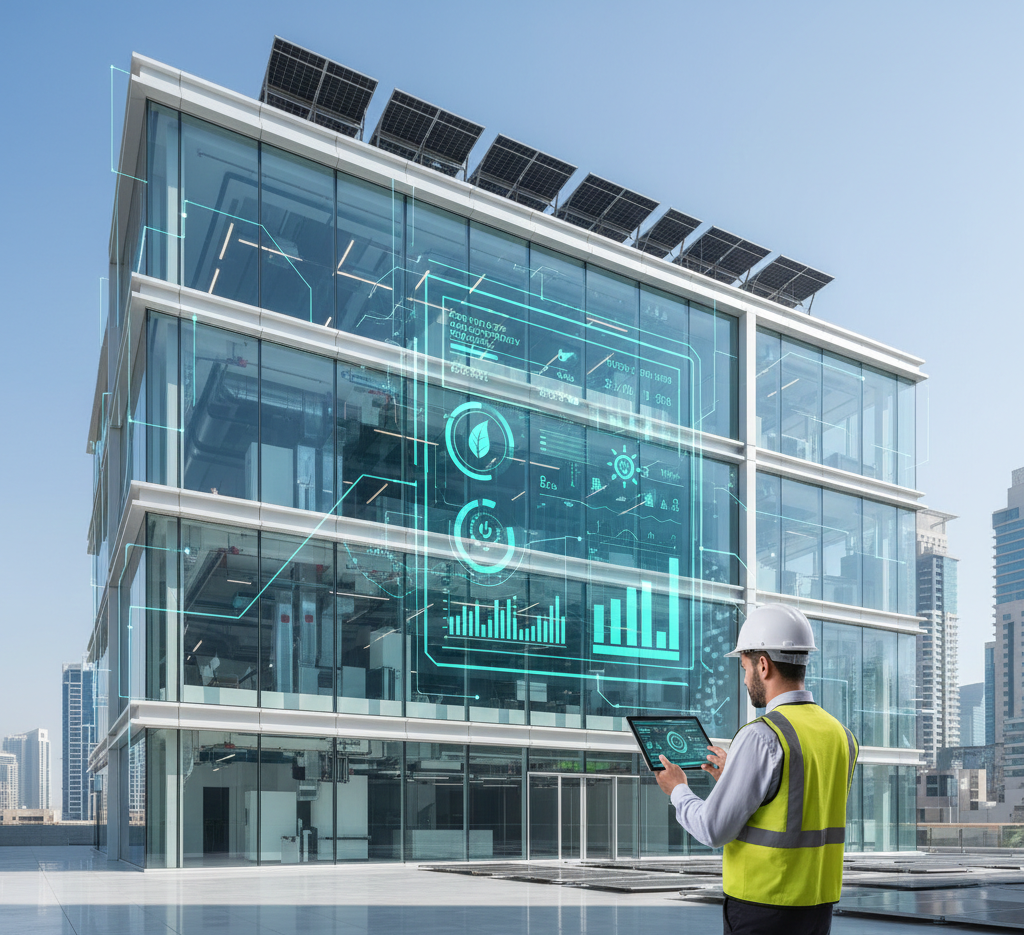
Dubai’s transformation into a global smart city hub has fundamentally redefined the operational requirements for commercial properties across the emirate. As integrated building technologies, artificial intelligence systems, and sustainability mandates converge, businesses throughout the UAE face an unprecedented shift in how facilities must be managed, maintained, and optimized. Understanding these evolving dynamics is no longer optional for organizations seeking operational excellence and regulatory compliance in 2026 and beyond.
The Dubai Municipality’s recent adoption of an integrated facilities management model across over 2,000 municipal facilities signals a broader industry transformation. This strategic shift, combined with expanded Building Information Modeling (BIM) mandates for structures exceeding G+12 floors or 15,000 square meters, demonstrates how facility management services in Dubai are evolving from reactive maintenance models to sophisticated, data-driven operational frameworks that align with the emirate’s ambitious smart city objectives.
The Convergence of Technology and Regulatory Evolution in UAE Facilities
Digital Infrastructure Becomes Mandatory, Not Optional
Dubai’s regulatory landscape has experienced substantial evolution throughout 2025 and into 2026, with implications that extend far beyond traditional compliance checkpoints. The expansion of BIM requirements represents more than documentation standards; it establishes digital facility intelligence as a foundational expectation for commercial property operations.
Building Information Modeling creates comprehensive digital representations of physical and functional building characteristics, enabling facility managers to access real-time system performance data, maintenance histories, and predictive analytics. For commercial facility management in the UAE organizations, this digital foundation transforms operational capabilities:
- Predictive maintenance scheduling based on actual system performance rather than arbitrary time intervals
- Energy consumption optimization through granular monitoring of mechanical and electrical systems
- Compliance documentation automation that reduces administrative burden while ensuring regulatory adherence
- Asset lifecycle management that extends equipment longevity and optimizes capital planning
- Emergency response coordination with precise building system knowledge and automated alert protocols
This technological integration demands facility management expertise that extends beyond conventional mechanical and electrical competencies to encompass digital systems management, data analytics interpretation, and intelligent building platform optimization.
Sustainability Regulations Drive Operational Transformation
Dubai’s enforcement of the final phase single-use plastic prohibition, effective January 2026, alongside updated Building Energy Code provisions, reflects the emirate’s commitment to environmental responsibility. These regulations create direct operational implications for facility management strategies across commercial properties.
The Building Energy Code compliance requirements established by Dubai Municipality in late 2024 apply to both new construction and existing facility operations, mandating measurable energy performance standards and systematic monitoring protocols. Meeting these requirements necessitates comprehensive building maintenance services in Dubai, capabilities that integrate:
- HVAC system optimization, ensuring maximum efficiency while maintaining occupant comfort standards
- Lighting system modernization with intelligent controls and energy-efficient technologies
- Building envelope performance addressing insulation, glazing, and thermal bridge mitigation
- Renewable energy integration, where applicable, to reduce grid dependence
- Waste management protocols aligned with sustainability objectives and regulatory requirements
Professional facility management providers must demonstrate not only technical maintenance competency but also strategic sustainability planning and regulatory navigation expertise.
Hard and Soft Facility Management Integration: The Operational Imperative
Understanding the Symbiotic Relationship Between Technical and Support Services
The distinction between hard and soft facility management has traditionally created operational silos that compromise overall building performance. Hard facility management encompasses the technical building systems, HVAC infrastructure, electrical distribution, plumbing networks, fire protection systems, elevator operations, and structural maintenance. Soft facility management addresses the human experience components, including professional cleaning protocols, security services, landscaping maintenance, waste management programs, and reception functions.
However, Dubai’s evolving regulatory environment and smart building technologies demand integrated approaches where these disciplines operate synergistically rather than independently:
Technical System Performance Depends on Environmental Conditions:
Air quality sensors that inform HVAC optimization require clean sensor surfaces maintained through systematic cleaning protocols. Fire detection systems function reliably only when maintained free of dust accumulation. Building Management System (BMS) interfaces require secure access control protocols managed through security services.
Occupant Experience Reflects Both Technical and Support Service Quality:
Indoor environmental quality results from properly functioning HVAC systems (hard services) combined with effective cleaning protocols that eliminate dust, allergens, and contaminants (soft services). Workplace safety depends on functioning fire protection systems alongside trained security personnel and clear evacuation protocols.
Regulatory Compliance Requires Comprehensive Facility Oversight:
Dubai Civil Defence Certificate of Compliance verification encompasses both technical system functionality and operational protocols, including staff training, emergency procedures, and facility cleanliness standards. DEWA electrical safety inspections evaluate not only system installation quality but also ongoing maintenance documentation and operational practices.
Businesses partnering with a comprehensive Facility Management Company in Dubai gain operational advantages through unified service delivery, streamlined communication, integrated quality assurance, and holistic compliance management that fragmented service models cannot replicate.
Preventive Maintenance Dubai: From Cost Center to Strategic Asset
The Operational Intelligence Revolution
Traditional preventive maintenance approaches relied on manufacturer recommendations and time-based service intervals, replace filters quarterly, inspect electrical panels annually, service chillers semi-annually. While systematic, these approaches lack responsiveness to actual operating conditions, usage patterns, and performance indicators.
Smart building technologies enable condition-based maintenance strategies that dramatically improve resource allocation, system reliability, and operational efficiency. Internet of Things (IoT) sensors continuously monitor critical building systems:
- Vibration analysis detecting bearing wear in rotating equipment before failure occurs
- Thermal imaging identifies electrical connection deterioration and insulation deficiencies
- Energy consumption patterns revealing system inefficiencies requiring investigation
- Air quality monitoring triggering filter replacement based on actual contamination rather than elapsed time
- Water flow analysis, detecting leaks, and system anomalies immediately
This operational intelligence transforms preventive maintenance from scheduled task execution to strategic system optimization. Facility management services leverage these insights to:
✓ Prioritize maintenance activities based on criticality and actual need
✓ Extend equipment operating life through precise intervention timing
✓ Eliminate unnecessary service activities that consume resources without providing value
✓ Document system performance trends supporting capital planning decisions
✓ Demonstrate regulatory compliance through comprehensive performance records
Documentation Standards and Audit Readiness
Dubai Municipality’s integrated facilities management model emphasizes systematic documentation, performance tracking, and continuous improvement methodologies. Commercial properties must maintain comprehensive records demonstrating:
- Scheduled maintenance completion with technician identification and task verification
- System performance metrics documenting energy consumption, operating parameters, and efficiency trends
- Compliance verification, including inspection reports, certificates, and regulatory correspondence
- Incident documentation capturing equipment failures, service disruptions, and corrective actions
- Asset inventories with equipment specifications, installation dates, and lifecycle status
Computer-Aided Facility Management (CAFM) platforms provide digital infrastructure supporting these documentation requirements while enabling operational analytics, resource optimization, and strategic planning capabilities. Professional facility management organizations implement these systems as standard operational practice, ensuring clients maintain audit-ready documentation that demonstrates regulatory compliance and operational excellence.
Navigating Dubai’s Multi-Agency Regulatory Environment
Understanding Interconnected Compliance Requirements
Commercial facility management in Dubai requires navigation of regulatory requirements from multiple government entities, each with distinct standards, inspection protocols, and compliance verification processes:
Dubai Municipality establishes building code requirements, environmental regulations, sustainability standards, and general facility operation guidelines. The 2026 integrated facilities management model reflects elevated expectations for systematic facility oversight and performance documentation.
Dubai Civil Defence governs fire and life safety compliance, requiring comprehensive fire protection system functionality, emergency evacuation protocols, staff training documentation, and periodic inspections culminating in Certificate of Compliance issuance.
Dubai Electricity and Water Authority (DEWA) regulates electrical system installation, maintenance standards, safety protocols, and energy efficiency requirements. DEWA circulars establish specific technical requirements for electrical infrastructure, protection systems, and operational practices.
Free Zone Authorities (depending on property location) may impose additional requirements specific to their jurisdictions, including enhanced safety protocols, environmental standards, or operational reporting obligations.
Maintaining continuous compliance across these regulatory frameworks requires dedicated expertise, systematic monitoring, and proactive engagement. Professional building maintenance services Dubai providers maintain current knowledge of evolving requirements, manage inspection scheduling, coordinate regulatory interactions, and implement corrective actions, ensuring uninterrupted compliance status.
The Compliance Risk Landscape
Non-compliance consequences extend beyond financial penalties to encompass operational disruptions, reputational damage, and legal liability exposure:
- Temporary closure orders for serious safety violations disrupting business operations
- Suspended licenses or permits are preventing normal business activities
- Increased insurance premiums reflecting elevated risk profiles
- Legal liability for incidents resulting from inadequate maintenance or safety protocol failures
- Diminished property marketability affects tenant attraction and retention
Proactive compliance management through professional facility management eliminates these risks while providing business leaders with confidence that regulatory obligations are systematically addressed.
Workforce Productivity and the Facility Management Connection
Indoor Environmental Quality as Competitive Advantage
Research consistently demonstrates direct correlations between indoor environmental quality and workforce cognitive performance, productivity levels, and employee satisfaction. Dubai’s knowledge economy depends on attracting and retaining skilled professionals who increasingly evaluate workplace quality as a critical employment factor.
Facility management directly influences multiple environmental quality dimensions:
Air Quality: Properly maintained HVAC systems with appropriate filtration, ventilation rates, and humidity control create healthy indoor environments. Dubai’s outdoor air quality challenges, including periodic dust events and high ambient temperatures make mechanical ventilation system performance critical for acceptable indoor conditions.
Thermal Comfort: Maintaining consistent, comfortable temperatures despite Dubai’s extreme climate requires sophisticated HVAC system management, building envelope performance, and real-time monitoring capabilities. Temperature variations or inadequate cooling directly impact occupant comfort and productivity.
Lighting Quality: Appropriate illumination levels, color temperatures, and glare control influence visual comfort, circadian rhythm regulation, and workplace satisfaction. Integrated lighting controls that respond to occupancy patterns and daylight availability optimize both energy efficiency and occupant experience.
Acoustic Environment: Properly functioning HVAC systems operate quietly, while degraded equipment creates disruptive noise. Facility management prevents acoustic disruptions through systematic maintenance and prompt equipment servicing.
Cleanliness and Hygiene: Professional cleaning protocols maintain visually appealing, hygienic work environments that support health, reduce illness transmission, and demonstrate organizational commitment to employee wellbeing.
Organizations investing in comprehensive facility management services create workplace environments that attract talent, support productivity, and demonstrate corporate responsibility/competitive advantages that directly contribute to business success.
Technological Capabilities Defining Modern Facility Management
The Smart Building Technology Stack
Leading facility management companies in Dubai deploy sophisticated technology platforms enabling operational excellence:
Building Management Systems (BMS): Centralized platforms monitoring and controlling HVAC, lighting, access control, and other building systems. Modern BMS implementations provide real-time performance visibility, automated optimization algorithms, and comprehensive historical data analysis.
IoT Sensor Networks: Distributed sensors monitoring temperature, humidity, air quality, occupancy, energy consumption, and equipment performance. These sensors generate continuous data streams enabling predictive maintenance and operational optimization.
Mobile Workforce Management: Field technicians equipped with mobile applications accessing work orders, equipment histories, technical documentation, and communication tools. This connectivity improves response times, service quality, and documentation accuracy.
Energy Management Platforms: Specialized software analyzing energy consumption patterns, identifying optimization opportunities, and tracking sustainability metrics. These platforms support Building Energy Code compliance and operational efficiency objectives.
Predictive Analytics: Machine learning algorithms analyzing historical performance data to predict equipment failures, optimize maintenance scheduling, and identify system inefficiencies before they impact operations.
Cybersecurity Considerations for Connected Buildings
As building systems become increasingly interconnected and internet-accessible, cybersecurity emerges as a critical facility management consideration. Smart building vulnerabilities include:
- BMS platform access creates potential entry points for unauthorized system control
- IoT device security with numerous connected sensors requiring protection
- Network segmentation ensures that building systems remain isolated from the IT infrastructure
- Access control systems with digital credentials requiring secure management
- Data privacy protects occupant information collected through building systems
Professional facility management providers implement cybersecurity protocols, including network security measures, access control policies, regular security assessments, and incident response procedures, protecting building systems from emerging digital threats.
Selecting Facility Management Excellence: Strategic Evaluation Criteria
Beyond Service Agreements: Partnership Fundamentals
Effective facility management partnerships require careful provider evaluation across multiple dimensions:
Technical Competency and Certifications: ISO 9001:2015 (Quality Management), ISO 14001:2015 (Environmental Management), and ISO 45001:2018 (Occupational Health and Safety) certifications demonstrate systematic management practices and commitment to excellence standards.
Technology Platform Capabilities: Modern CAFM systems, mobile workforce management, IoT integration capabilities, and data analytics competencies enable operational excellence that manual processes cannot achieve.
Regulatory Knowledge and Compliance Track Record: Demonstrated expertise in navigating Dubai Municipality, Dubai Civil Defence, DEWA, and other regulatory requirements ensures continuous compliance without operational disruptions.
Technical Team Qualifications: Certified technicians with specialized expertise in HVAC systems, electrical infrastructure, plumbing networks, fire protection systems, and building automation platforms deliver superior maintenance quality.
Integrated Service Delivery: Single-source accountability for both hard and soft facility management eliminates coordination challenges, communication gaps, and service quality inconsistencies inherent in fragmented service models.
Sustainability Expertise: Demonstrated capabilities supporting green building certifications, energy efficiency optimization, waste reduction programs, and environmental compliance requirements.
Emergency Response Capabilities: 24/7 availability, rapid response protocols, and contingency planning expertise ensure business continuity during unexpected situations.
Future-Proofing Dubai Commercial Properties Through Strategic Facility Management
The convergence of smart building technologies, evolving regulatory requirements, sustainability imperatives, and workplace experience expectations has elevated facility management from operational necessity to strategic business function. Organizations viewing facility management as mere building maintenance miss opportunities for operational optimization, regulatory confidence, workplace competitive advantage, and asset value protection.
Dubai’s trajectory toward becoming the world’s leading smart city creates both challenges and opportunities for commercial property operations. Businesses that embrace next-generation facility management strategies position themselves for success in this evolving landscape, while those maintaining traditional approaches face increasing regulatory complexity, operational inefficiencies, and competitive disadvantages.
Professional facility management delivers measurable value across multiple business dimensions, regulatory compliance assurance, operational efficiency optimization, workplace quality enhancement, sustainability objective advancement, and strategic asset management. These benefits extend beyond facility operations to support broader organizational objectives, including talent attraction, business continuity, corporate responsibility, and financial performance.
Taking Action: Strategic Facility Management Implementation
Organizations seeking facility management excellence should evaluate current capabilities against evolving requirements, assess provider qualifications using comprehensive criteria, implement technology platforms enabling operational intelligence, establish performance metrics measuring service quality and regulatory compliance, and maintain strategic partnerships with qualified facility management professionals.
Galaxy Technical Services LLC has delivered comprehensive facility management solutions throughout Dubai and the UAE since 1998, supporting commercial properties with integrated hard and soft facility management services, advanced technology platforms, certified technical teams, and systematic regulatory compliance management. Our ISO 9001:2015, ISO 14001:2015, and ISO 45001:2018 certifications demonstrate our commitment to quality, environmental responsibility, and occupational safety excellence.
Discover how strategic facility management can transform your commercial property operations and position your organization for success in Dubai’s smart building future.
Frequently Asked Questions
Q: What regulatory authorities govern commercial facility management in Dubai?
A: Commercial facilities in Dubai must comply with requirements from Dubai Municipality (building codes, environmental standards, sustainability regulations), Dubai Civil Defence (fire and life safety requirements), DEWA (electrical system standards, energy efficiency mandates), and applicable Free Zone Authorities, depending on location. Professional facility management ensures coordinated compliance across all regulatory frameworks through systematic monitoring, inspection scheduling, and documentation management.
Q: How does Building Information Modeling (BIM) impact facility management operations?
A: BIM creates comprehensive digital representations of building systems, enabling data-driven facility management. The 2026 BIM mandate expansion for buildings exceeding G+12 floors or 15,000 square meters establishes digital facility intelligence as standard practice. BIM supports predictive maintenance, energy optimization, compliance documentation, asset lifecycle management, and emergency response coordination transforming reactive maintenance approaches into strategic operational frameworks.
Q: What distinguishes hard facility management from soft facility management services?
A: Hard facility management encompasses technical building systems, including HVAC infrastructure, electrical distribution, plumbing networks, fire protection systems, elevators, and structural maintenance. Soft facility management addresses human-centric services, including professional cleaning, security operations, landscaping maintenance, waste management, and reception functions. Modern facility management integrates both disciplines for optimal building performance, occupant experience, and regulatory compliance recognizing that technical and support services operate synergistically rather than independently.
At Galaxy Technical Services, we specialize in delivering reliable, professional plumbing solutions customized to both commercial and residential needs. With our skilled team and advanced tools, we ensure that your plumbing systems stay efficient, safe and worry-free.