Circuit Breaker Keeps Tripping in Your Dubai Building: What Each Type of Fault Actually Means
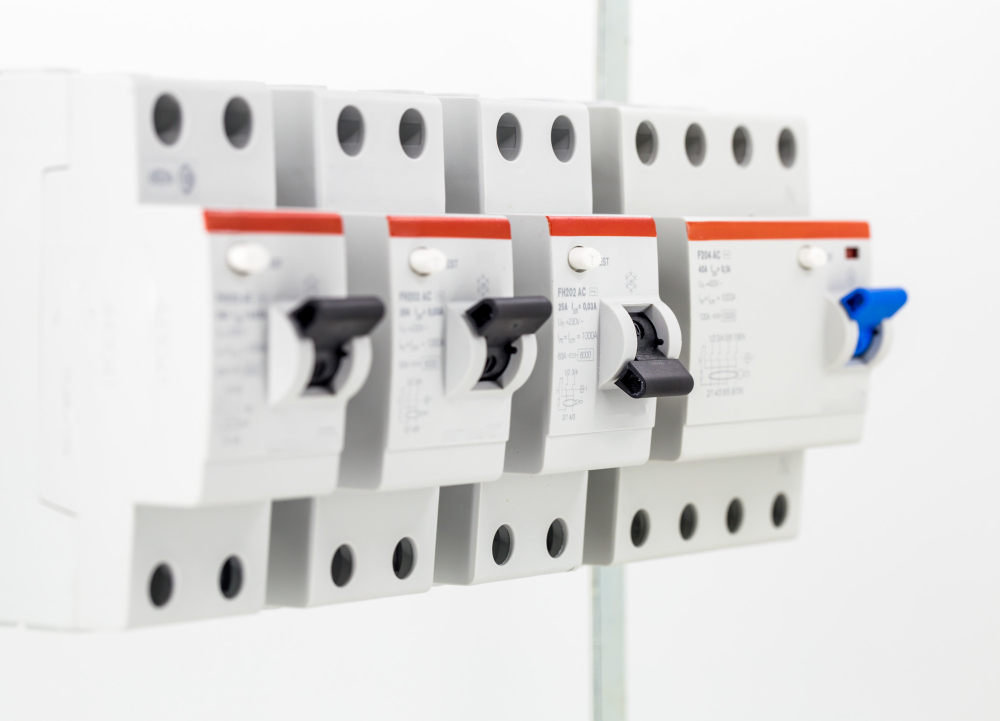
A circuit breaker that keeps tripping is one of the most common electrical problems in residential, commercial, and industrial buildings across Dubai. While many people assume it is simply an inconvenience, a frequently tripping breaker is actually your electrical system’s way of warning you that something is wrong. Ignoring these warning signs can result in damaged appliances, expensive repairs, unexpected downtime, or even electrical fires.
Whether you own a villa, manage a commercial office, oversee a warehouse, or maintain a residential building, understanding why a circuit breaker keeps tripping can help you take the right action before the issue becomes serious.
In this guide, we’ll explain what different breaker trips actually mean, why they happen, and when it’s time to call for professional electrical maintenance services in Dubai.
Why Does a Circuit Breaker Keep Tripping?
A circuit breaker is designed to protect your electrical system. Instead of allowing excessive current to damage wiring or equipment, it automatically disconnects the power whenever it detects unsafe conditions.
Think of it as a safety guard for your building. It sacrifices convenience to prevent dangerous electrical failures.
However, not every breaker trip has the same cause. Different faults indicate different problems, and understanding them makes troubleshooting much easier.
Not Every Breaker Trip Means the Same Thing
One of the biggest misconceptions is believing that every tripped breaker indicates an overloaded circuit. In reality, modern electrical systems are designed to detect multiple types of electrical faults.
Some trips happen instantly.
Others occur after several minutes.
Some only happen when specific equipment starts operating.
Each scenario tells a different story.
Let’s understand the most common ones.
1. Overloaded Circuit
An overloaded circuit is the simplest and most common reason a breaker trips.
This happens when the electrical demand exceeds the circuit’s designed capacity.
For example:
- Running multiple air conditioners simultaneously
- Operating electric ovens, microwaves, and kettles together
- Connecting too many office devices to one circuit
- Using heavy industrial machinery beyond circuit capacity
Dubai buildings often experience overloads during the summer months because HVAC systems work continuously throughout the day.
Common Signs
- Breaker trips after several minutes
- Electrical outlets feel warm
- The lights dim when the appliances start
- Breaker resets successfully after switching off some equipment
Solution
Rather than repeatedly resetting the breaker, reduce the electrical load or have the circuit professionally upgraded if your power requirements have increased.
2. Short Circuit Fault
A short circuit is much more serious than an overload.
It occurs when a live wire directly contacts a neutral wire, allowing electricity to travel through an unintended low-resistance path.
The current rises instantly, causing the breaker to trip almost immediately.
Common Causes
- Damaged wiring
- Loose electrical connections
- Burnt sockets
- Water entering electrical boxes
- Faulty appliances
Warning Signs
- Immediate breaker trip
- Burning smell
- Black marks around outlets
- Sparking
- Melted insulation
A short circuit should never be ignored because it significantly increases fire risk.
3. Earth Leakage Fault
Earth leakage is one of the most important electrical safety issues, especially in Dubai’s humid environments, outdoor installations, kitchens, and bathrooms.
Instead of electricity returning through the normal circuit, part of the current escapes to the ground.
Residual Current Devices (RCDs) or Earth Leakage Circuit Breakers (ELCBs) are specifically designed to detect these tiny leakages and disconnect power instantly.
Typical Causes
- Water entering electrical equipment
- Damaged insulation
- Faulty water heaters
- Outdoor electrical installations
- Aging cables
Symptoms
- RCD trips repeatedly
- The problem appears during rainy weather
- Trips occur when specific appliances are switched on
- Moisture found around electrical installations
Ignoring earth leakage faults can expose occupants to electric shock hazards.
4. Ground Fault
Although often confused with earth leakage, a ground fault generally refers to a live conductor making contact with a grounded metal surface.
This commonly occurs in:
- Air conditioning units
- Pumps
- Industrial motors
- Metal electrical enclosures
- Outdoor equipment
Ground faults generate high fault currents that protective devices detect immediately.
Professional testing is usually required to locate the exact fault location.
5. Arc Fault
An arc fault occurs when electricity jumps across a gap instead of flowing normally through conductors.
This can happen because of:
- Loose terminals
- Damaged wires
- Corroded connectors
- Rodent damage
- Aging electrical systems
Arc faults generate intense heat and are a leading cause of electrical fires.
Unlike overloads, they may not always produce high current levels, making them more difficult to identify without specialized protection devices.
6. Faulty Circuit Breaker
Sometimes the breaker itself becomes the problem.
Like every electrical component, breakers wear out over time.
Repeated operation, overheating, aging, or manufacturing defects can reduce their reliability.
Signs of a Faulty Breaker
- Trips without any load
- Cannot remain reset
- Feels unusually hot
- Physical damage
- Burning odor inside the distribution board
Replacing a faulty breaker should always be done with the correct rating and specifications.
Why Circuit Breakers Trip More Often During Dubai Summers
Dubai’s climate creates unique demands on electrical systems.
When temperatures rise above 45°C, buildings consume significantly more electricity due to continuous cooling requirements.
Higher ambient temperatures also reduce the current-carrying capacity of electrical equipment.
Some contributing factors include:
- Continuous HVAC operation
- Higher electrical demand
- Distribution boards exposed to heat
- Older insulation is deteriorating faster
- Increased equipment operating hours
These conditions make preventive electrical inspections especially important before peak summer seasons.
Can a Single Appliance Cause Repeated Trips?
Absolutely. Many breaker issues are traced back to one faulty appliance rather than the building’s wiring.
Common examples include:
- Air conditioners
- Water heaters
- Refrigerators
- Washing machines
- Industrial compressors
- Large motors
- Commercial kitchen equipment
A technician can isolate each load to determine whether the fault lies within the appliance or the electrical installation itself.
Warning Signs You Should Never Ignore
Some symptoms indicate that immediate professional attention is necessary.
Watch for:
- Breakers tripping multiple times daily
- Burning smells near switchboards
- Flickering lights throughout the building
- Buzzing sounds from electrical panels
- Warm electrical sockets
- Sparking outlets
- Smoke from electrical equipment
- Breakers that refuse to reset
Continuing to reset a breaker without identifying the root cause can worsen the underlying fault and increase safety risks.
Why Professional Fault Diagnosis Matters
Modern electrical systems are more complex than simply replacing a breaker.
Professional electricians use advanced testing equipment to identify the exact cause of recurring trips, including:
- Insulation resistance testing
- Earth continuity testing
- Thermal imaging inspections
- Load analysis
- Circuit tracing
- Voltage testing
- Earth leakage measurements
These diagnostic methods help detect hidden faults before they lead to costly failures or safety hazards.
Preventive Maintenance Reduces Unexpected Breakdowns
Many recurring electrical faults can be prevented through routine inspections.
Preventive maintenance typically includes:
- Tightening electrical connections
- Cleaning distribution boards
- Inspecting cable insulation
- Testing protective devices
- Measuring circuit loads
- Identifying overheating components
- Verifying grounding systems
Regular maintenance not only reduces nuisance tripping but also improves system reliability, extends equipment life, and enhances overall electrical safety.
Conclusion
A circuit breaker that trips repeatedly should never be dismissed as a minor electrical inconvenience. Every trip is a built-in safety response that points to an underlying issue, whether it’s an overloaded circuit, a short circuit, earth leakage, or a faulty electrical component. Understanding what these faults mean allows you to address problems before they lead to equipment damage, costly downtime, or serious safety hazards. If your building is experiencing recurring breaker trips, a professional inspection is the safest way to identify the root cause and restore reliable electrical performance. Galaxy Technical Services offers expert electrical maintenance services in Dubai, including fault diagnosis, preventive maintenance, and electrical repairs for residential, commercial, and industrial properties. Go through our Electrical Maintenance Services to know more and schedule a professional assessment, and keep your electrical system operating safely and efficiently.
At Galaxy Technical Services, we specialize in delivering reliable, professional plumbing solutions customized to both commercial and residential needs. With our skilled team and advanced tools, we ensure that your plumbing systems stay efficient, safe and worry-free.