AMC vs. Ad-Hoc: How to Structure an Annual Maintenance Contract for a Commercial Building in Dubai
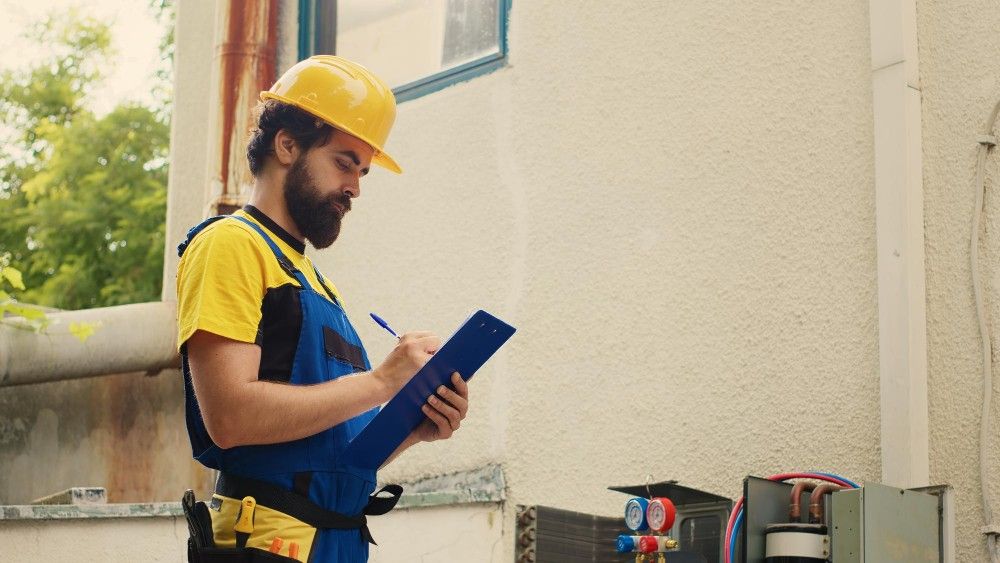
Commercial buildings in Dubai are expected to operate efficiently every single day. From air conditioning systems and electrical networks to plumbing, fire safety, and general repairs, every component plays a role in ensuring smooth business operations. Yet many property owners and facility managers face one common question: Should you rely on ad-hoc maintenance or invest in an Annual Maintenance Contract (AMC)?
While calling a technician only when something breaks may seem cost-effective at first, unexpected repairs often result in higher expenses, operational downtime, and dissatisfied tenants. On the other hand, a well-planned Annual Maintenance Contract for a commercial building in Dubai focuses on prevention rather than reaction, helping businesses maintain their property while controlling long-term costs.
If you’re managing an office tower, retail space, warehouse, hotel, or commercial complex, understanding how to structure the right maintenance plan can make all the difference.
Why Commercial Building Maintenance Matters More Than Ever
A commercial property isn’t just a building it’s an investment that generates revenue, supports employees, and creates first impressions for customers. Every day, HVAC systems run for long hours, elevators carry hundreds of people, plumbing systems operate continuously, and electrical infrastructure powers essential business operations.
Without regular maintenance, even a minor issue can quickly develop into an expensive emergency.
Common problems include:
- Air conditioning breakdowns during peak summer
- Electrical faults causing business interruptions
- Water leakage damaging interiors
- Plumbing failures affecting tenants
- Poor lighting reducing workplace safety
- Unexpected equipment replacement costs
Routine maintenance ensures these systems continue performing efficiently while extending their lifespan.
Understanding Ad-Hoc Maintenance
Ad-hoc maintenance, often called reactive maintenance, means repairs are carried out only after a problem occurs.
For example:
- The AC stops cooling.
- A pipe starts leaking.
- Power outlets stop working.
- Ceiling damage becomes visible.
- Doors or locks malfunction.
Only then is a maintenance company contacted.
At first glance, this approach appears flexible because you only pay when something goes wrong. However, hidden costs often outweigh the apparent savings.
Advantages of Ad-Hoc Maintenance
- No yearly contract commitment
- Suitable for newly constructed buildings with minimal maintenance needs
- Good for one-time repair requirements
- Flexible scheduling
Limitations
- Emergency repair charges
- Unexpected budgeting
- Longer equipment downtime
- Higher replacement costs
- Increased tenant complaints
- Greater risk of system failures
Reactive maintenance solves today’s problem but rarely prevents tomorrow’s.
What Is an Annual Maintenance Contract (AMC)?
An Annual Maintenance Contract (AMC) is a preventive maintenance agreement between a building owner and a maintenance service provider. Instead of waiting for breakdowns, technicians inspect, service, and maintain building systems throughout the year.
The objective is simple:
Identify small problems before they become major repairs.
A properly designed Annual Maintenance Contract in Dubai typically covers scheduled inspections, preventive servicing, emergency support, routine repairs, and system performance monitoring.
Rather than reacting to failures, businesses enjoy planned maintenance with predictable costs.
AMC vs. Ad-Hoc Maintenance: Which Delivers Better Value?
Here’s how both approaches compare:
Feature | Annual Maintenance Contract | Ad-Hoc Maintenance |
Maintenance Style | Preventive | Reactive |
Budget Planning | Fixed yearly cost | Unpredictable expenses |
Equipment Life | Longer lifespan | Faster wear and tear |
Emergency Repairs | Reduced frequency | Frequent emergencies |
Business Downtime | Minimal | Can be significant |
Tenant Satisfaction | Higher | May decrease |
Cost Efficiency | Better long-term value | Higher long-term expenses |
For most commercial buildings, preventive maintenance consistently delivers better operational efficiency and lower ownership costs.
How to Structure an Effective Annual Maintenance Contract
Not every AMC is the same. The best maintenance contracts are tailored to the property’s size, systems, occupancy, and operational requirements.
Here are the key components every commercial building owner should include.
1. Clearly Define the Scope of Services
A maintenance contract should specify exactly what is included.
Typical services may cover:
- HVAC maintenance
- Electrical maintenance
- Plumbing services
- Carpentry work
- Painting touch-ups
- Masonry repairs
- Door and lock maintenance
- Ceiling repairs
- Waterproofing inspections
- Drain cleaning
- Lighting maintenance
- Preventive inspections
A detailed scope avoids misunderstandings later.
2. Schedule Preventive Maintenance Visits
Preventive maintenance should never depend on customer requests.
Instead, the contract should include scheduled visits throughout the year.
Examples include:
- Monthly inspections
- Quarterly servicing
- Biannual equipment testing
- Annual system audits
Routine inspections reduce the chances of sudden failures while improving equipment performance.
3. Include Emergency Response Services
Even with excellent preventive maintenance, emergencies can still occur.
A comprehensive Annual Maintenance Contract for commercial buildings should define:
- Emergency response times
- Available support hours
- Priority handling procedures
- Escalation process
Knowing help is readily available provides peace of mind for both property managers and tenants.
4. Cover Critical Building Systems
Commercial buildings rely on interconnected systems.
Your maintenance contract should prioritize:
- HVAC Systems: Dubai’s climate places heavy demand on cooling equipment. Regular servicing improves efficiency while reducing electricity consumption.
- Electrical Systems: Routine inspections help prevent overheating, short circuits, and unexpected outages.
- Plumbing Systems: Preventive plumbing maintenance minimizes leaks, water wastage, and expensive structural damage.
- Building Repairs: General civil works such as ceiling repairs, wall restoration, door alignment, and minor structural maintenance help preserve the property’s appearance and functionality.
5. Establish Service Response Times
Not every maintenance request has the same urgency.
Your AMC should classify issues into priority levels.
For example:
Critical Issues
- Power failure
- Major water leaks
- HVAC shutdown
Medium Priority
- Plumbing blockages
- Lighting failures
- Door repairs
Low Priority
- Paint touch-ups
- Minor carpentry work
- Cosmetic repairs
This structured approach ensures resources are allocated efficiently.
6. Define Spare Parts Coverage
One of the most overlooked aspects of an AMC is spare parts.
Clarify:
- Which spare parts are included
- Which items require additional approval
- Warranty conditions
- Replacement procedures
Transparency helps avoid unexpected invoices.
7. Include Performance Reporting
Professional maintenance isn’t just about repairs.
Regular reporting helps building owners monitor:
- Completed maintenance activities
- Equipment condition
- Pending repairs
- Recurring issues
- Preventive recommendations
These reports support smarter budgeting and long-term asset management.
Signs Your Commercial Building Needs an AMC
Many businesses continue using ad-hoc maintenance until recurring issues become impossible to ignore.
Consider switching if you notice:
- Frequent AC complaints
- Increasing repair bills
- Unexpected equipment failures
- Rising utility costs
- Repeated plumbing issues
- Tenant dissatisfaction
- Delayed maintenance requests
- Aging building infrastructure
An Annual Maintenance Contract shifts maintenance from constant firefighting to planned facility care.
Cost Isn’t the Only Factor
Some building owners focus solely on comparing contract prices.
However, the real value lies in total ownership cost.
A lower-cost contract with limited services may lead to expensive repairs later, while a slightly more comprehensive AMC can significantly reduce equipment failures and emergency callouts.
Instead of asking:
“How much does the contract cost?”
Ask:
- What systems are covered?
- How often are inspections performed?
- How quickly are emergencies handled?
- Are preventive visits included?
- Is technical reporting provided?
- Does the provider have experienced technicians?
These questions reveal the actual value of the agreement.
Choosing the Right Maintenance Strategy for Dubai
Dubai’s commercial buildings operate under unique environmental conditions. Continuous air conditioning, high occupancy levels, dust, humidity, and intense summer temperatures place additional pressure on building systems.
Because of these conditions, preventive maintenance becomes far more practical than waiting for breakdowns.
Whether you’re managing:
- Office buildings
- Retail outlets
- Shopping centres
- Warehouses
- Educational facilities
- Healthcare buildings
- Hotels
- Mixed-use developments
a well-structured Annual Maintenance Contract in Dubai helps improve operational reliability, extend equipment life, reduce emergency expenses, and create a safer environment for occupants.
Rather than treating maintenance as an occasional repair task, businesses benefit from viewing it as an ongoing investment in their property’s performance.
Conclusion
Every commercial building tells a story through its condition. Well-maintained properties reflect professionalism, reliability, and long-term value, while neglected maintenance often results in avoidable expenses and operational disruptions. Choosing between reactive repairs and preventive care isn’t just about today’s budget, it shapes the future performance of your entire facility.
If you’re looking for dependable Annual Maintenance Contract services in Dubai, Galaxy Technical Services LLC provides tailored maintenance solutions designed to keep commercial buildings operating efficiently throughout the year. From preventive inspections and routine servicing to responsive repair support, their experienced team helps businesses minimise downtime and protect valuable assets. Explore the Annual Maintenance Contract (AMC) to find a maintenance solution that fits your building’s unique requirements and take the first step towards smarter, more reliable facility management.
At Galaxy Technical Services, we specialize in delivering reliable, professional plumbing solutions customized to both commercial and residential needs. With our skilled team and advanced tools, we ensure that your plumbing systems stay efficient, safe and worry-free.