Backflow Prevention and Cross-Connection Control: What Building Owners Are Liable For
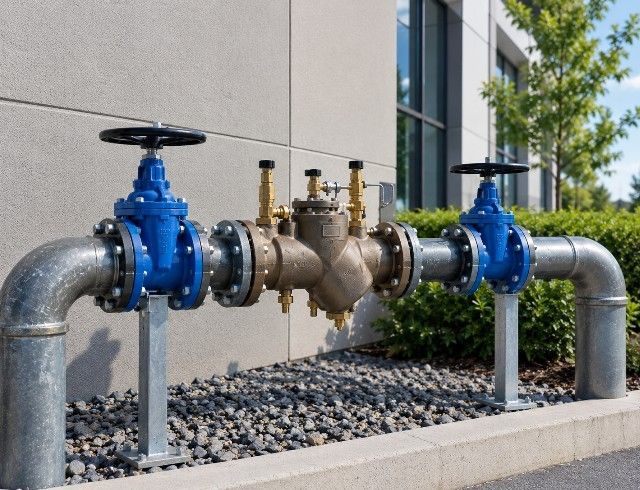
Backflow prevention and cross-connection control are essential for protecting drinking water, maintaining plumbing safety, and reducing liability for building owners. When contaminated water enters a clean water supply, the consequences can include health risks, plumbing complications, regulatory action, and expensive repairs. Residential buildings, commercial properties, restaurants, healthcare facilities, and industrial premises must pay particular attention to how their water systems are designed, maintained, and monitored.
Building owners are responsible for understanding potential contamination risks, ensuring appropriate safeguards are installed, and addressing plumbing defects before they become serious problems. The exact legal obligations depend on the property’s location, applicable regulations, and the responsibilities assigned to the owner, tenant, or building operator.
How Backflow and Cross-Connections Put Buildings at Risk
A building’s water supply should maintain a clear separation between clean drinking water and water that may contain chemicals, waste, microorganisms, or other contaminants. Backflow and cross-connections can compromise this separation if the plumbing system is not properly protected.
What Is Backflow?
Backflow occurs when water moves in the opposite direction from its intended flow, potentially allowing contaminated water to enter a potable water supply. Two common conditions can cause this problem.
- Back-siphonage: A sudden drop in water pressure can draw contaminated water into clean supply pipes. This may happen during a water main break, heavy demand, or certain pumping conditions.
- Backpressure: Pressure from a pump, boiler, or other connected system exceeds the pressure in the drinking water supply, forcing water backwards through the plumbing network.
Both situations can create contamination risks without obvious warning signs. Water may continue flowing normally at the tap even when a plumbing connection has created a potential hazard.
What Is a Cross-Connection?
A cross-connection is a direct or indirect connection between a potable water system and a source that may introduce contaminants. Examples include irrigation systems, chemical dosing equipment, commercial kitchen equipment, heating systems, and certain industrial processes.
For instance, a hose submerged in a bucket containing cleaning chemicals can create a pathway for contaminants to enter the water supply if pressure conditions change and adequate protection is absent.
Backflow prevention devices, properly designed air gaps, and other approved safeguards help interrupt these pathways. The appropriate method depends on the hazard, system design, and applicable plumbing requirements.
Where Building Owners Should Look for Hidden Risks
Backflow risks are not limited to damaged pipes or ageing plumbing. They can develop when equipment is installed, building layouts change, or tenants introduce new processes without reviewing their water connections.
Irrigation and Landscaping Systems
Garden irrigation systems may expose water supplies to fertilisers, pesticides, soil, and stagnant water. Properties with underground irrigation lines should have suitable backflow protection based on the system’s risk level and local requirements.
Commercial Kitchens and Cleaning Areas
Restaurants, hotels, and commercial kitchens use equipment connected to water supplies alongside detergents, sanitising chemicals, and food waste. Incorrect hose connections, unsuitable equipment installations, and missing safeguards can increase contamination risks.
Heating, Cooling, and Mechanical Equipment
Boilers, cooling equipment, water treatment systems, and chemical injection arrangements may create pressure differences or connections to non-potable fluids. Building owners should ensure these systems are assessed during installation, upgrades, and routine maintenance.
Storage Tanks and Alternative Water Supplies
Buildings that use water storage tanks, reclaimed water, or other alternative supplies require particular attention to system separation. Incorrect connections between potable and non-potable water networks can create significant health hazards.
These risks make a plumbing inspection more than a search for leaks. It should also examine how water enters, moves through, and leaves the building’s different systems.
What Building Owners May Be Liable For
Legal liability is not identical in every jurisdiction. However, building owners may face regulatory, financial, or civil consequences when they fail to meet applicable duties for protecting water quality and maintaining safe plumbing systems.
Failure to Install Required Protection
Where regulations require a backflow prevention assembly or another approved protective measure, failing to install it can result in compliance problems. Owners should ensure the selected device is appropriate for the identified hazard and installed according to applicable requirements.
A device intended for a low-risk application may not provide sufficient protection against a higher-risk connection. Professional assessment helps establish the correct approach.
Neglecting Inspection, Testing, and Maintenance
Installing a backflow prevention device is only the first step. Components can wear out, valves can become faulty, and debris or mineral deposits can interfere with operation.
If an owner neglects required testing or ignores evidence of failure, the property may remain exposed to contamination. Depending on local rules, this could lead to inspection findings, corrective notices, penalties, or restrictions on water service.
Owners should follow the testing intervals required by the relevant authority or manufacturer, where applicable, rather than assuming that every device has the same maintenance schedule.
Allowing Unsafe Plumbing Alterations
A building may become vulnerable when contractors, tenants, or maintenance personnel modify pipes without assessing cross-connections. Connecting equipment to a water line without suitable protection can create a risk even if the original plumbing installation was compliant.
Building owners and managers should establish approval procedures for plumbing alterations and verify that work is completed by appropriately qualified professionals.
Failing to Respond to Known Problems
An inspection report identifying a faulty device or an unprotected connection should not be ignored. Delayed corrective action can increase the risk of contamination and make it harder to demonstrate that reasonable maintenance measures were taken.
Owners should document identified defects, arrange repairs within the required timeframe, and confirm that protective equipment is operating correctly after the work is completed.
Potential Financial and Legal Consequences
Depending on the circumstances and applicable law, the consequences of inadequate cross-connection control may include:
- Costs associated with investigation, disinfection, repairs, and system restoration.
- Claims for property damage or losses resulting from a contamination incident.
- Regulatory penalties or enforcement action for non-compliance.
- Business interruption and disruption to tenants or occupants.
- Reputational damage and potential insurance complications.
These outcomes are not automatic whenever a plumbing defect occurs. Liability depends on factors such as the owner’s legal duties, the cause of the incident, the available evidence, and the resulting harm.
A Practical Compliance Plan for Property Owners
Preventing backflow is easier when water safety is incorporated into regular building management rather than treated as an emergency repair issue.
1. Arrange a Cross-Connection Risk Assessment
Begin by identifying connections between potable water and equipment or systems that may introduce contaminants. The assessment should consider the building’s use, plumbing layout, water pressure conditions, and potential hazards.
Older buildings and properties that have undergone multiple renovations may need particular attention because their original plumbing records may not reflect the current arrangement.
2. Verify the Correct Backflow Prevention Method
Not every connection requires the same type of protection. Depending on the application, an approved air gap, a suitable backflow prevention device, or a more robust assembly may be necessary.
The selection should account for the type of contaminant, the possibility of backpressure or back-siphonage, and any applicable technical requirements.
3. Maintain a Reliable Testing Schedule
Create a maintenance register covering each installed device, its location, inspection history, test results, repairs, and next required testing date.
Where formal testing or certification is required, use appropriately qualified personnel and retain the documentation needed to demonstrate compliance.
4. Keep Plumbing Records Updated
Maintain drawings, installation details, equipment specifications, inspection reports, and records of plumbing modifications. Updated documentation helps maintenance teams identify vulnerable connections and avoid introducing new hazards during future work.
It also provides useful evidence that the property is being managed systematically.
5. Establish Clear Responsibilities
Building owners, facility managers, tenants, and maintenance contractors should understand who is responsible for reporting defects, authorising changes, arranging inspections, and maintaining equipment.
Lease agreements and maintenance contracts may allocate certain duties, but they do not necessarily remove an owner’s statutory obligations. Responsibilities should therefore be checked against applicable law and documented clearly.
6. Act Quickly When a Device Fails
A failed test, suspected contamination, or improperly connected water line requires prompt assessment. Follow the relevant authority’s procedures, arrange appropriate repairs or replacement, and determine whether additional water-quality checks or remedial measures are necessary.
Where contamination is suspected, seek professional guidance immediately and follow instructions from the relevant water or public health authority.
Backflow Prevention in Dubai and Across the UAE
For buildings in Dubai and elsewhere in the UAE, owners and facility managers should verify the requirements applicable to their property, its approved plumbing design, and the relevant local authority. Requirements can vary according to the building’s use, system configuration, and the nature of the potential hazard.
Commercial premises may have more complex water connections than ordinary residential properties because of their kitchens, treatment equipment, irrigation systems, or mechanical installations. These connections should be assessed as part of a wider plumbing safety and maintenance programme.
Owners should also ensure that contractors understand the approved design before modifying water lines or replacing equipment. Where approvals, testing records, or compliance documents are required, these should be retained and made available when requested.
Regular plumbing inspections, proper device selection, timely repairs, and accurate maintenance records provide a practical foundation for reducing contamination risks and supporting regulatory compliance.
Conclusion
Backflow prevention and cross-connection control are important parts of responsible building management. Failure to address plumbing hazards can put occupants at risk and expose property owners to avoidable expenses and potential legal consequences.
Preventive inspections, suitable backflow protection, timely repairs, and accurate maintenance records provide a practical way to safeguard water quality. For building owners seeking professional plumbing and maintenance support, Galaxy Technical Services helps maintain reliable building systems through practical technical solutions. Taking preventive action today can help reduce future risks and support safer property operations.